
View Providers

A Cancer That’s Both Common and Complex
Prostate cancer is the second most frequently diagnosed cancer in men, after skin cancer. In fact, about one in seven men will be diagnosed with it during his lifetime. It’s a complex disease; it can be hard to understand both the condition and your treatment options. Here are some facts about prostate cancer that may be helpful, whether you have the disease or love someone who does.

97% of men who are diagnosed with prostate cancer are above age 50.
More than half the men who have prostate cancer are over 65, and it’s rare in men under 40. The average age at diagnosis is 69 years, and though prostate cancer can be a serious disease, most men outlive it because it typically grows very slowly. The survival rate is nearly 100% at five years, 99% at 10 years, and 94% at 15 years.

Geography and race affect your chances of a prostate cancer diagnosis.
Men from North America, northern Europe, Australia and the Caribbean are the most likely to have prostate cancer. In the United States, African American men are the most likely to be diagnosed with it, and Asian American and Latino men are the least likely. Asian men increase their risk of prostate cancer when they move to the western hemisphere and men who live in northern areas of the U.S. develop prostate cancer at a higher rate than those in other areas of the country.

Eating tomatoes may reduce the risk of prostate cancer, but the jury is out.
Certain studies have shown a slightly reduced risk of developing prostate cancer associated with eating tomatoes, especially when cooked in olive oil. This may be due to lycopene, which is the red pigment that gives tomatoes their color. However, the research is far from clear. Experts do recommend eating less red meat and dairy to reduce your prostate cancer risk. In the “don’t” category, there’s some evidence to show that taking excessive amounts of calcium and folate supplements is not advisable.
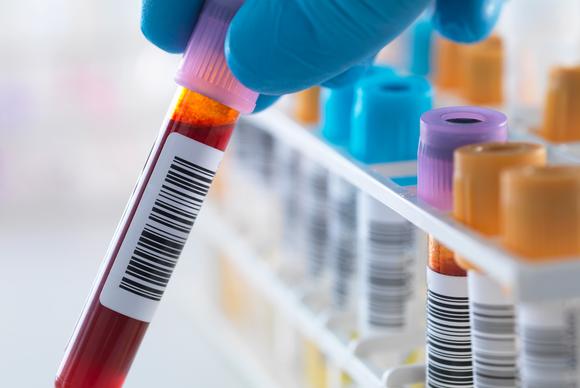
PSA numbers don’t tell the whole story.
Most healthy adult men have PSA (prostate-specific antigen) levels under 4. While higher PSA levels mean a higher chance of having prostate cancer, a PSA level between 4 and 10 still only means you have a 1 in 4 chance of being diagnosed with it. If your PSA is higher than 10, your chances of having prostate cancer are more than half. But, about 15% of men with a PSA below 4 will also have prostate cancer.

Expert opinion varies on when to have a biopsy to check for prostate cancer.
Your doctor may recommend a biopsy if your PSA is high and other factors are present, but not all doctors use the same number to determine when to do a biopsy. Some may advise it if the PSA is 4 or higher, while others use a PSA of 2.5 or higher. Biopsies take sample tissue to be examined for cancerous cells, but there are risks associated with them, such as infection and bleeding. If you are unsure what to do, consider getting a second opinion.

Opinions on screenings for prostate cancer also vary.
The American Cancer Society recommends men who are at an average risk for prostate cancer begin screening at age 50. For those at high risk, the group recommends screenings beginning at age 45, and for those at the highest levels of risk, at age 40. However, the U.S. Preventive Services Task Force does not recommend prostate cancer screenings, citing misleading or inaccurate test results and overdiagnosis, which means identifying the presence of cancer where there is none or finding cancers that do not represent a threat to your health. Talk to your doctor about the pros and cons of screening, and to determine the best way to assess your own risk.

There are medicines that may help some men avoid prostate cancer.
If you have an enlarged prostate, or BPH, your doctor may recommend you take finasteride (Proscar) or dutasteride (Avodart), which may also reduce your chance of developing prostate cancer. One of the largest prostate cancer trials ever conducted showed taking finasteride reduced the risk that a man would be diagnosed with prostate cancer by 25%. However, in men who already had prostate cancer, these drugs may raise the risk of developing a more aggressive form of the disease.

Your prostate has two phases of growth during your life.
The prostate goes through two main growth periods as a man ages. The first happens early in puberty, when the prostate doubles in size. The second phase of growth begins around age 25 and continues for most of a man's life. Benign prostatic hyperplasia, or BPH, which means you have an enlarged prostate, often occurs with the second growth phase. It does not mean you’ll get prostate cancer; they are two different diseases.

Erectile dysfunction from prostate cancer treatment is not always permanent.
In men who have surgery for prostate cancer and have trouble afterward getting erections, many see substantial improvement within a year, with up to half returning to normal function. Among men who have radiation therapy, fewer will experience erectile dysfunction, but those who do may not recover as much function. When it does occur, your doctor can help you with pills, medicated pellets, or even a mechanical device.

Even if you’re diagnosed, you may not need treatment.
Because most prostate cancers grow so slowly and occur in men over age 50, your doctor may suggest “watchful waiting” or “active surveillance,” even if you do get a prostate cancer diagnosis. This means you should be retested on a regular basis, but treatment may not be recommended or necessary, because your particular tumor does not represent a threat to your health or life. Many men get a second opinion from another doctor so they can understand all of their options.