
View Providers

Your Recovery Plan
Prostate removal (prostatectomy) is a major surgery and it can take several weeks before you get back to normal. Your recovery depends on the complexity of your surgery (open or minimally invasive) and your overall health. The key to a successful recovery is patience and keeping your eye on the outcome—to be free of cancer. Here are nine tips for making your road to recovery after prostatectomy as smooth as possible.

1. Plan Ahead
You won’t be able to drive immediately after a prostatectomy, so arrange for a ride to and from the hospital. Ask your doctor: what kind of restrictions you’ll have; what kind of assistance you will need at home; and when you can return to work and other activities. Arrange for driving assistance and time off work well in advance of surgery.
2. Listen to Your Doctor
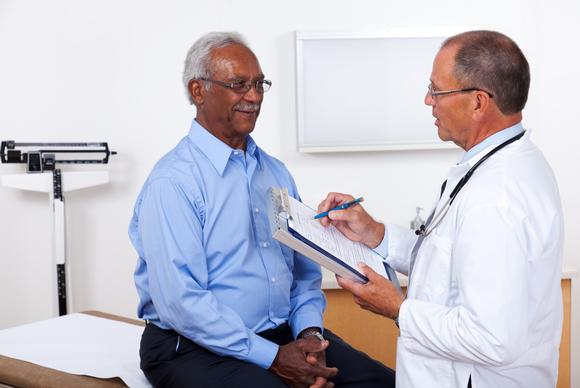
Follow your doctor’s post-surgery instructions carefully. Adhere to all activity, dietary, and lifestyle restrictions and recommendations; take your medications exactly as prescribed; and clean and care for your wound and urethral opening properly. Notify your doctor of any concerns between appointments and see your doctor for follow-up appointments.

3. Stay Ahead of Your Pain
Prostatectomy can make you sore and uncomfortable. Your doctor will prescribe you medication for pain relief. Be sure to take it as prescribed, and right on time. If you wait to take your medicine until your pain gets worse, it can take longer to work. Tell your doctor if your pain worsens or doesn’t improve with treatment.

4. Take It Easy
You will feel tired for the days right after surgery. Get plenty of rest and don’t overdo it. Gradually, you can increase your daily activities. But make sure you get up and walk around at least six times a day. In general, most people resume normal activities within 10 days and full activity within 3 to 4 weeks.

5. Treat Constipation
Anesthesia, pain medication, and lower activity levels can slow down your bowel movements. To get things moving again, drink several glasses of water per day, walk as much as you can, and eat plenty of fruits and vegetables. Try not to strain to have a bowel movement. Ask your doctor to recommend a safe stool softener or laxative if you’re having trouble.

6. Call Your Doctor With Concerns
If you spike a fever, have trouble urinating, have bleeding or increased pain, notice blood in your urine or something wrong with your incision, call your doctor immediately. The quicker you get treatment for anything out of the ordinary, the sooner you’ll feel better and be able to continue on your path to recovery.
7. Protect Yourself from Accidents
Prostatectomy is associated with some undesirable side effects, including urinary incontinence. The prostate gland surrounds the urethra at the exit of the bladder. Removing the prostate, particularly during radical prostatectomy—removal of the entire gland and surrounding tissues—often damages the muscles that control urination. Urinary incontinence for a few weeks to a few months is common after a radical prostatectomy. You’ll need to wear protective pads to prevent leaks. Long-term incontinence lasting more than a year is rare.

8. Don’t Let Sexual Side Effects Get You Down
Another unpleasant side effect of prostatectomy is sexual dysfunction. The prostate is very close to the nerves that control erection. In order to remove all traces of cancer, surgeons often have to remove at least some of the nerves. Nerves can recover, but it takes a long time. While it may take 4 to 24 months, or longer, before you can maintain an erection sufficient for intercourse, medications and devices can help. Many men have already encountered these challenges and much has been learned. Don’t hesitate to talk to your doctor about your options.
9. Prepare for Additional Therapy
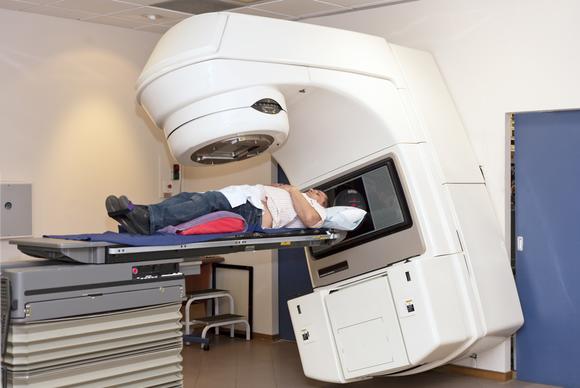
A pathologist will look for signs of cancer from the prostate and surrounding tissues that the surgeon removes. Depending on the results, you may need hormone therapy or radiation therapy to remove all traces of cancer and to help prevent the cancer from coming back. If you are at high risk of recurring cancer, your doctor may advise radiation therapy 3 to 6 months after surgery. Patients can start hormone therapy, specifically androgen deprivation treatment, sooner after surgery.