
View Providers

What to Know About This Common Male Cancer
Prostate cancer is the second most common cancer affecting American men after skin cancer. In the United States, it affects 1 in 7 men at some point during their lifetime. These cancers develop in the cells that produce a fluid that is part of semen. While prostate cancer is a serious disease, most men do not die from it. Here are some of the most important things to know about prostate cancer.

1. Some prostate cancers are related to gene mutations.
Each year in the United States, about 180,000 men find out they have prostate cancer. Other risk factors include African American race, family history of prostate cancer, and age. About 60% of prostate cancers occur in men older than 65. A small number of prostate cancer cases are related to gene mutations, such as mutations in the BRCA1 and BRCA2 genes. Smoking or a life with little exercise also increase the risk.

2. There are often no symptoms in the early stages of prostate cancer.
When symptoms develop, they can include blood in the urine or semen, erection problems, and pain in the back, hips or pelvis. You may also notice difficulty starting to urinate or not being able to urinate, weak or stop-and-start urine stream, pain or burning with urination, urgent urination, and frequent urination, especially at night. BPH (benign prostatic hyperplasia) shares many of these same symptoms. It’s important to see your doctor to get the right diagnosis. Effective treatments are available for BPH and prostate cancer.
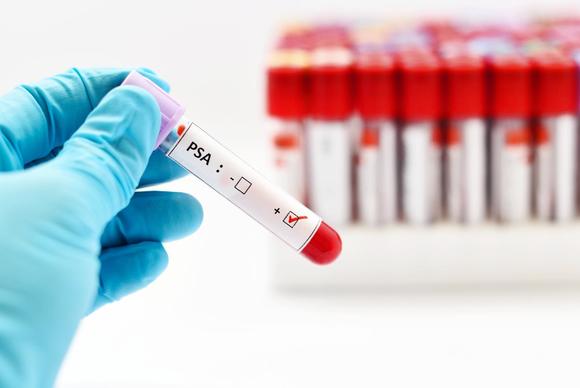
3. Screening finds many prostate cancers before symptoms develop.
Screening tests find most prostate cancers before symptoms develop. Screening tools include DRE (digital rectal exam) and PSA (prostate specific antigen), which is a blood test. Talk with your doctor to find out which one is best for you.

4. A biopsy is the only way to know for sure if a tumor is cancerous.
Screening tests are the most effective way to diagnose prostate cancer in early, highly treatable stages. If your results suggest cancer, you will need a prostate biopsy. A needle biopsy removes multiple small tissue samples to analyze for cancer. It is the only way to know for sure if a prostate mass is cancerous or benign. The results will guide your next steps.

5. Prostate cancer can be a widely varying disease.
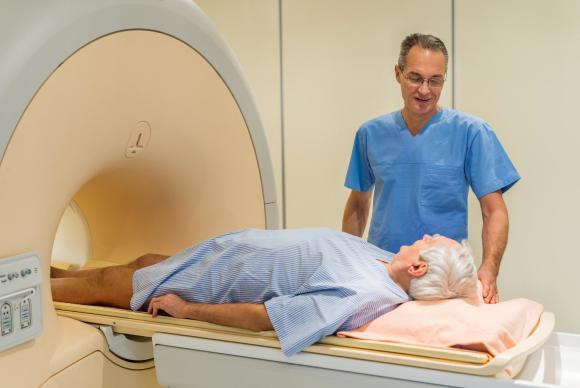
Some prostate cancers grow very slowly and don’t pose much of a health threat. Other prostate cancers are aggressive and grow quickly. This makes treatment decisions complex. Generally, doctors base treatment options on the cancer’s stage and grade and a man’s age and health. Your doctor may order other tests, including imaging exams, to make a complete diagnosis.

6. Prostate cancer stage guides treatment decisions.
There are four stages for prostate cancer: I, II, III and IV. Lower stage cancers usually have a better outlook because they are more likely to respond to treatment. Higher numbers indicate more severe disease. The stage of your cancer depends on your PSA level at diagnosis, Gleason score, which measures how aggressive the cancer is likely to be, and whether it has spread to your lymph nodes or other organs. Once your doctor confirms the tumor stage, you can work together to develop a treatment plan.

7. Watchful waiting or active surveillance may be an option.
Watchful waiting involves monitoring or observing the patient's condition to see if the tumor is growing or changing. Doctors rely mostly on the patient's symptoms, but will order PSA and other tests as well. Active surveillance involves more tests at more frequent intervals. Doctors use PSA tests, imaging exams, biopsies, and your symptoms to track your health. The goal is to avoid unnecessary treatment and maintain quality of life. This approach is suitable if you don’t have symptoms or you have a slowly growing, early stage tumor. If watchful waiting or active surveillance is stressful for you, talk with your doctor about treatment options.

8. Surgery is a common treatment for early stages of prostate cancer.
Surgery involves removing or destroying all or part of the prostate. It is possible for early stage tumors that have not spread beyond the prostate. In these cases, surgery has a high likelihood of cure. Sometimes, doctors offer less invasive procedures for late stage tumors to help relieve symptoms. In these cases, surgery usually does not offer a cure. Talk with your surgeon about possible complications from prostate surgery, which include erectile dysfunction and urinary incontinence.
9. Radiation therapy is another common treatment.
Radiation therapy for prostate cancer includes either external beam radiation of brachytherapy. Brachytherapy delivers radiation internally from implants called seeds. Radiation therapy is an alternative to surgery for early stage tumors that are still confined to the prostate. The cure rates for either surgery or radiation therapy are about the same at this stage. Doctors may also use radiation for later stage cancers. It is useful to shrink the tumor before surgery and to kill any remaining cancer cells after surgery. In advanced stages, radiation can help relieve symptoms.

10. Other treatments may be useful in advanced stages.
Other treatments for advanced prostate cancer include chemotherapy, cryotherapy, immunotherapy, and hormone therapy. Prostate cancer cells are stimulated to grow in the presence of male hormones—or androgens. Hormone therapy reduces the level of androgens in the body. This often makes the tumor shrink or grow more slowly. Doctors use hormone therapy before radiation to shrink the tumor, and deliver radiation treatments to decrease the risk of it coming back. It’s also useful in advanced prostate cancer and when surgery and radiation aren’t options.

You can take charge of your prostate health.
Screening exams are one of the most effective things you can do to prevent prostate cancer. You can also reduce your risk by changing risk factors you can control. Steps you can take include not smoking, being physically active most days of the week, and eating a balanced diet with a variety of whole grains and fresh fruits and vegetables. Talk with your doctor about your risk and ask about additional steps you can take to reduce your risk.