
Prevention & Early Detection
Prostate cancer is a common cancer in men. It develops in a man’s prostate gland, which produces a component of semen. Prostate cancer can be a serious disease in some men. However, many men have slow-growing prostate cancers that do not affect their health greatly. These men have a high survival rate. They often do not die from the disease, but from another cause.

Symptoms of Prostate Cancer
At the time of diagnosis most men with prostate cancer report no symptoms. When they occur, many of the symptoms of prostate cancer are related to constriction of the urethra and involve changes in urine flow. Prostate cancer can also cause pain in the pelvis or lower back and blood in the urine. Cancer that has spread can cause additional symptoms based on the location of spread.

Diagnosing Prostate Cancer
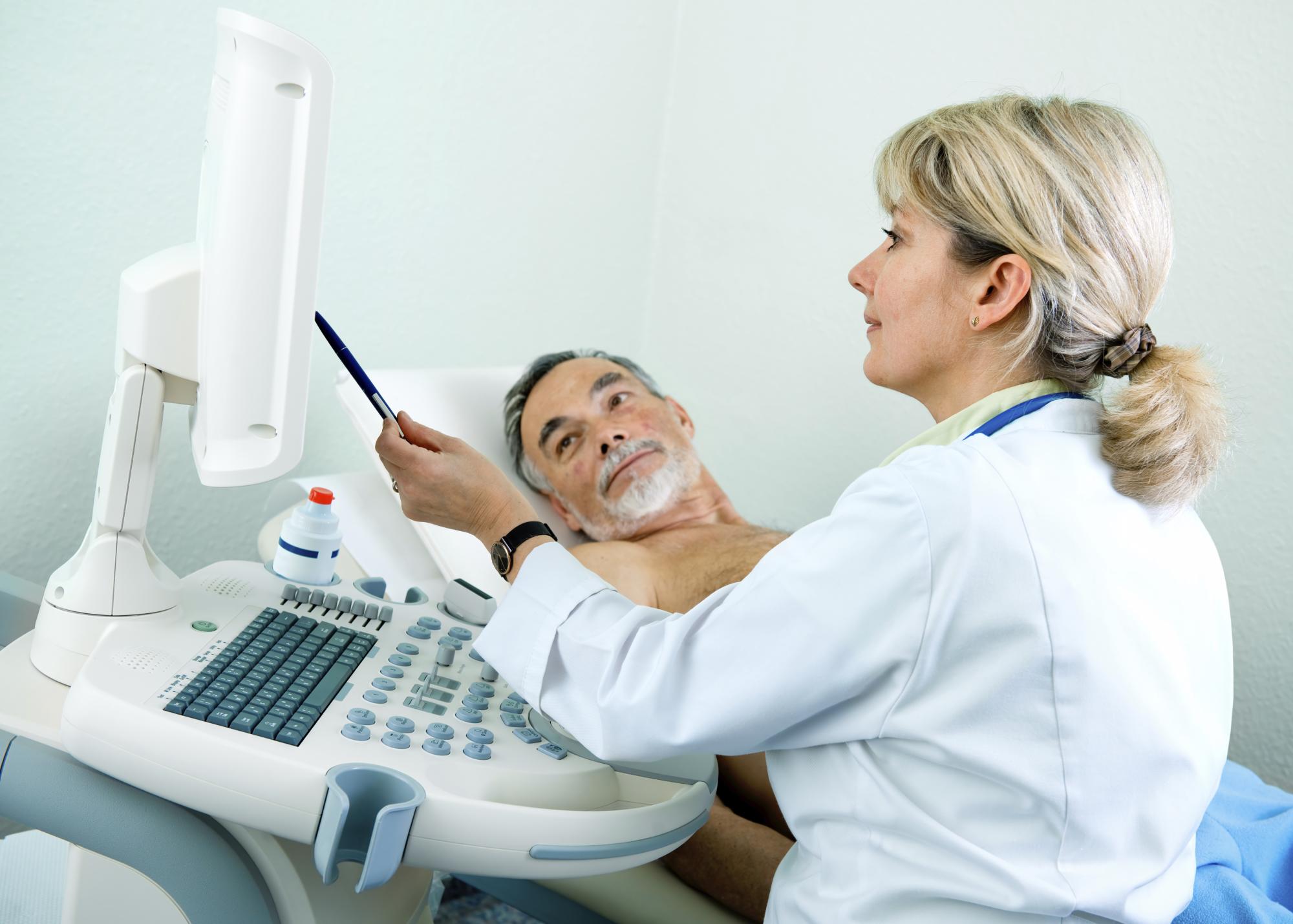
If you’re a man older than 50, you may have had a screening test for prostate cancer. Doctors can use the digital rectal exam (DRE), the prostate-specific antigen (PSA) test, or both tests to check for signs of the disease before symptoms appear. When the results suggest a problem, your doctor will need to run more tests to make a prostate cancer diagnosis. In some cases, men have symptoms, such as urinary problems, which start the diagnostic process.

Treatment Options
Treatment of prostate cancer begins with seeking regular medical care throughout your life. Regular medical care allows a health care professional to provide early screening tests. Regular medical care also provides an opportunity for your health care professional to promptly evaluate symptoms and your risks for developing prostate cancer.